Technologie d’analyseur XRF : avantages clés des analyseurs modernes de ciment pour le contrôle qualité
Dans le système de contrôle qualité de l’industrie du ciment, la précision et l’efficacité de la détection des composants constituent les garanties essentielles d’une production stable et d’une qualité de produit conforme. En tant que technologie de détection rapide courante,analyseur XRF (analyse par fluorescence des rayons X) a été largement appliqué dans la production de ciment. Le professionnelanalyseur de cimentbasé sur latechnologie XRFse caractérise par des essais non destructifs, une analyse rapide, une haute précision et une large applicabilité, remplaçant progressivement la méthode traditionnelle complexe de titrage chimique manuel et devenant un support technique indispensable pour la gestion intelligente de la qualité dans les cimenteries modernes.
La préparation des échantillons est le maillon clé qui détermine la précision de détection de l’ analyseur XRF pour les matériaux cimentaires. La planéité, l’épaisseur et l’uniformité des pastilles d’échantillon influencent directement la stabilité des données d’analyse des composants. Actuellement, deux méthodes standardisées de préparation des échantillons sont couramment utilisées dans l’industrie pour ladétection par analyseur de ciment : la méthode des pastilles de poudre pressée et la méthode des perles de verre fondu. Les deux procédés présentent des différences évidentes en matière de précision de détection, de coût et de scénarios d’application, et peuvent répondre aux exigences différenciées du contrôle qualité de la production de ciment.
La méthode des perles de verre fondu est le procédé privilégié pour la détection haute précision et les essais d’arbitrage dans l’industrie. En utilisant un creuset professionnel composé de 95 % de platine et 5 % d’or, associé à une machine de fusion automatique, cette méthode élimine complètement les erreurs de détection causées par la taille des particules de l’échantillon et les effets de matrice minérale. Sa précision d’analyse est comparable à celle de la méthode classique de titrage chimique, avec une excellente stabilité et répétabilité des données. Cependant, elle présente également des limites inhérentes. Le processus de fusion à haute température dilue les composants de l’échantillon et entraîne la perte d’éléments volatils tels que le soufre et le chlore. Par ailleurs, le processus complexe de préparation, la durée élevée et le coût important des consommables en métaux précieux la rendent inadaptée à la détection rapide de lots à grande échelle sur les lignes de production.
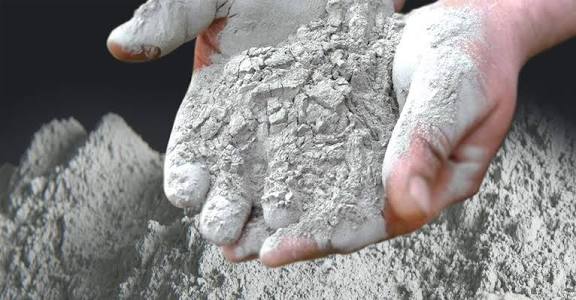
En revanche, la méthode des pastilles de poudre pressée est efficace, simple et économique. Sans consommables coûteux en métaux précieux, l’ensemble du processus de préparation des échantillons ne prend que quelques minutes, ce qui convient parfaitement au dépistage et à la détection quotidiens par lots des matières premières du ciment, du clinker et des produits finis. Les opérateurs doivent seulement broyer finement l’échantillon de ciment et le presser en une pastille standard à l’aide d’un moule professionnel afin de réaliser letest par analyseur XRF , améliorant considérablement l’efficacité de la production sur site et du contrôle intermédiaire. Néanmoins, cette méthode ne peut pas éviter les interférences dues à la matrice minérale et à la taille des particules. Lorsque la qualité des matières premières du ciment varie fortement, les données de test peuvent présenter des écarts et ne pas satisfaire aux normes strictes d’inspection haute précision et de comparaison d’arbitrage.
Sur la base des caractéristiques des deux procédés de préparation des échantillons, l’industrie du ciment a établi une norme mature d’application et de sélection pour l’analyseur de ciment . Les entreprises peuvent choisir le procédé approprié selon leurs besoins réels de contrôle qualité : la méthode des perles de verre fondu est privilégiée pour les tests par des tiers, l’arbitrage des produits, la réinspection en usine et les scénarios de production avec des composants de matières premières complexes et variables afin de garantir des données de détection précises et fiables ; la méthode des pastilles de poudre pressée constitue le meilleur choix pour l’ajustement en temps réel du dosage et l’inspection quotidienne par lots des lignes de production, en équilibrant efficacité de détection et avantages économiques.
À l’heure actuelle, la plupart des entreprises cimentières majeures adoptent le mode de détection composite « méthode de fusion pour l’étalonnage de référence et méthode de poudre pressée pour l’inspection quotidienne ». Ce mode exploite pleinement les avantages techniques de l’analyseur XRF , permettant une surveillance rapide des composants sur l’ensemble du processus, depuis l’inspection à la réception des matières premières, le contrôle du processus de production jusqu’à la livraison des produits finis. La généralisation et l’application d’un analyseur de ciment professionnel résolvent efficacement les problèmes des méthodes traditionnelles de détection chimique tels que les opérations complexes, les cycles longs et la pollution environnementale, aidant l’industrie du ciment à atteindre une production de haute qualité, efficace et standardisée, tout en renforçant les bases du contrôle qualité intelligent dans le domaine de la fabrication du ciment.
Q1 : Pourquoi l’industrie du ciment adopte-t-elle un mode de test composite combinant les méthodes de fusion et de pastilles pressées au lieu d’une seule méthode de test ?
R1 : Les deux méthodes de préparation des échantillons possèdent des avantages et des scénarios d’application complémentaires ; le recours à une seule méthode ne permet pas d’équilibrer la précision de mesure et l’efficacité opérationnelle.
Fusion du verre : élimine les effets de matrice et de taille des grains, offrant une haute précision analytique et une excellente répétabilité. Elle sert de référence pour l’étalonnage des instruments et les tests d’arbitrage/de référence. Cependant, elle entraîne des coûts plus élevés, des délais plus longs et une perte potentielle d’éléments volatils, ce qui la rend inadaptée au contrôle qualité en temps réel à haut débit sur la ligne de production.
Pastille pressée : présente un faible coût opérationnel, une préparation simple et un délai d’analyse rapide — idéale pour l’inspection quotidienne de routine et le contrôle en temps réel du mélange de matières premières. Cependant, elle est sensible aux variations de taille des particules et aux interférences de la matrice minéralogique, ce qui rend sa précision insuffisante pour les analyses d’arbitrage ou les réexamens.
La combinaison des deux méthodes établit un flux de travail composite équilibrant l’étalonnage de référence haute précision et la surveillance de routine haute efficacité, soutenant pleinement le contrôle qualité sur l’ensemble du processus de fabrication du ciment.
Q2 : Dans l’analyse XRF du ciment, quels facteurs directs influencent la précision des données de test finales ?
R2 : Les principaux facteurs d’influence appartiennent à trois grandes catégories :
Qualité de préparation des échantillons (facteur le plus critique) : des facteurs tels que la planéité de surface, l’épaisseur et l’uniformité du disque d’échantillon, ainsi que la finesse de broyage de la poudre brute, influencent directement les effets liés à la taille des particules et à la minéralogie. Une préparation insuffisante modifie la collecte des signaux de fluorescence X et introduit des biais dans les données.
Sélection et adéquation de la méthode : une mauvaise correspondance entre les méthodes de fusion et de pastilles pressées entraîne des performances sous-optimales. L’utilisation de pastilles pressées pour des matières premières très variables ou des exigences de haute précision provoque une distorsion des données due aux interférences de matrice. À l’inverse, l’utilisation de la fusion pour une surveillance de routine à grand volume entraîne une faible rentabilité et des goulots d’étranglement dans le flux de travail.
Variables liées aux équipements et à l’environnement : la dégradation des creusets en platine (par exemple dissolution/corrosion du Pt), la précision de l’étalonnage de l’instrument, la stabilité de la température et de l’humidité ambiantes, ainsi que la perte de volatilité d’éléments comme le soufre et le chlore pendant la fusion, déterminent directement la précision finale et la reproductibilité des résultats analytiques.
Veuillez nous contacter pour toute demande supplémentaire ou information détaillée !
Tél. :+86-183-5283 6805
E-mail :sales@jinyibo.com
Site web :www.jinyibo.com